If there’s a question that’s guaranteed to instantly put me in a terrible mood it’s “What type of yoga do you teach?” It’s far too reductionist for a practice as vast as yoga. It feels like trying to fit the entire garden into a single flowerpot or asking Gordon Ramsey, “What’s your best dish?” when their whole joy comes from a rotating menu of flavours.
I understand — some people love the comfort of repetition. They want to do the same sequence every time and call it a day; enter Ashtanga, Rocket Yoga, and all the body training systems like Body Combat and Body Balance — and that works wonderfully for some.
But yoga? It’s so much more varied. If I limited myself and my students to a single style, it’d be like living on a diet of nothing but digestives. Certainly tasty, but what about my ginger snap, hobnob or crunch cream?
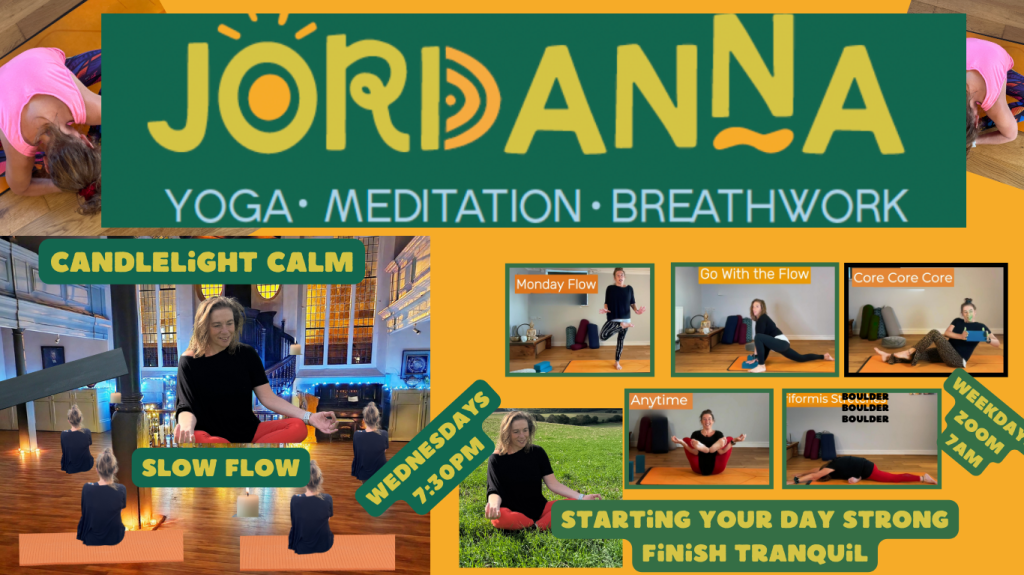
My offerings reflect that range and I tailor to the moment, because none of us are the same every day. The 7am session? It’s a whole different vibe from the 6pm class or the gentle yoga and candlelight calm sessions. Sometimes I want to energise, burn, and feel alive. Other times, I crave softness, flowing movement, and deep breathing. My teaching is aligned with the yoga philosophy I’m sharing that day—sometimes it’s all about releasing stress, sometimes we’re working towards a particular yoga asana, sometimes it’s hatha or vinyasa or yin or restorative —and sometimes a beautiful mash-up of whatever feels right.
I’m currently teaching the 8-limbs of yoga with two of my groups. When we explore concepts like single-pointed concentration (dharana), we might do a candle-gazing meditation. To practise withdrawal of the senses (pratyahara), we might wear an eye mask. This means my classes aren’t just about the body; they’re about philosophy in action, embodying timeless teachings in the most practical and experiential ways.
Yoga isn’t a box; it’s a buffet. And it’s about more than just physical postures—it’s about connecting body, breath, mind and spirit. To limit it to one label feels… well, limiting. How will my students discover what truly moves them if they only get a steady diet of vinyasa? They need to taste yin’s slow magic, the strength-building poses, the mindful pauses. They need to challenge themselves, and treat themselves kindly.
So next time you ask, “What’s your style?” just know, my answer might be a novel. Because yoga is big, rich and endlessly fascinating—and teaching it honestly takes all of that.
If you’re curious to explore this variety and the philosophy behind it, you’re very welcome to join me on the mat. There’s something for every mood, every body, and every moment.
While we’re publicly airing our pet hates I’d love to know what pisses you off, puts you in a bad mood or even just gets on your nerves.



 Yoga Pathways
Leave a comment